
What does it really take to run a luxury apartment like a well-tuned machine without friction or confusion? As the saying goes, “A house is built with walls and beams; a home is built with order and care.” In high-end apartment living, that order often depends on how well household staff are managed. From coordinating daily routines to handling sudden schedule changes, the task can feel demanding even for experienced homeowners. Many turn to professional services such as discreet nanny placement in New York City to find capable individuals, yet management remains the deciding factor. With the right approach, staff can operate smoothly, maintain privacy, and support a refined lifestyle without unnecessary tension.
Establish Clear Roles and Daily Structure
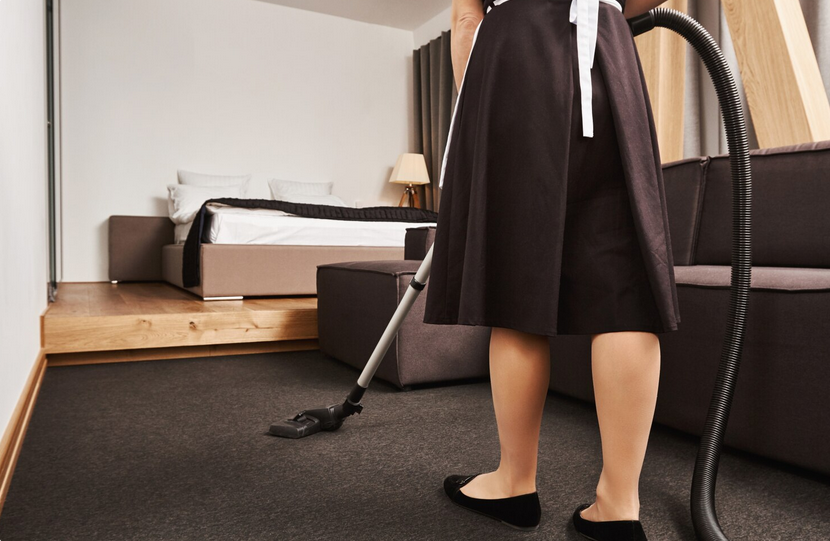
Luxury apartments often run on tight schedules, and confusion can quickly disrupt the flow of daily activities. One of the most effective ways to manage staff is by defining roles clearly from the beginning. Each team member should understand their duties, working hours, and reporting structure. A written schedule can help reduce guesswork. Whether it involves housekeeping routines, childcare, or meal preparation, clarity prevents overlap and missed responsibilities. When expectations are visible and consistent, staff can perform tasks with confidence and fewer interruptions. This structure also helps homeowners track performance without constant supervision.
Maintain Strong Communication Channels
In a fast-paced environment, communication must be direct and steady. Misunderstandings often arise when instructions are unclear or feedback is delayed. Luxury apartment living demands quick responses, so staff should feel comfortable asking questions or reporting issues promptly. Daily briefings or short check-ins can keep everyone aligned. Even a few minutes of discussion can prevent larger problems later. Clear communication also builds trust, making it easier for staff to anticipate needs and act without hesitation. A calm, respectful tone further improves cooperation and reduces workplace tension.
Respect Privacy and Professional Boundaries
Luxury apartments often prioritize privacy, making it essential for staff to operate with discretion. However, this is not just the employee’s responsibility—homeowners must also respect professional boundaries. Avoid mixing personal relationships with professional roles. While friendliness is welcome, maintaining a level of formality helps preserve respect. Staff should have defined work hours and personal time, even within a residential setting. This balance creates a healthier environment and encourages long-term commitment from employees.
Coordinate with Building Staff and External Services

Unlike standalone homes, luxury apartments require interaction with building management, security teams, and external service providers. Managing these connections efficiently is key to smooth operations. Household staff should know how to communicate with concierges, maintenance teams, and delivery personnel. Clear guidelines on who handles what can prevent confusion. For example, assigning one staff member to manage vendor access or coordinate repairs can streamline tasks and avoid duplication of effort. Good coordination ensures that all moving parts—internal and external—work together without delays or miscommunication.
Stay Flexible While Maintaining Control
Schedules in luxury living environments can shift quickly due to travel, events, or unexpected changes. While structure is important, flexibility is equally necessary. Staff should be prepared to adjust plans without losing focus on their core responsibilities. At the same time, homeowners should avoid making constant last-minute changes that disrupt workflow. A balanced approach—where flexibility exists within a stable framework—helps maintain order even during busy periods. Encouraging adaptability allows staff to respond effectively while still meeting expectations. This balance keeps operations smooth, even when circumstances change.
Managing staff in luxury apartment living requires a thoughtful mix of structure, communication, respect, coordination, and flexibility. When roles are clearly defined and communication remains open, daily operations become more efficient and less stressful. Respecting boundaries and coordinating with external teams further strengthens the system, while adaptability allows the household to function smoothly during changes. By applying these key tips, homeowners can create a well-organized environment where staff perform effectively and the overall lifestyle remains comfortable and controlled.


